ATEX and explosive atmospheres: regulatory definitions and the challenges of classifying hazardous zones
Understand the concept of ATEX and explosive atmospheres according to regulations
ATEX, an acronym for Atmosphères Explosibles, refers to a European regulation governing potentially hazardous areas where explosions can occur. These explosive atmospheres result from the mixing of volatile substances with air. The slightest source of ignition is enough to trigger an explosion. Understanding this concept means recognizing the types of potentially explosive substances: gases, vapors and combustible dusts. The ATEX Directive therefore requires precise and systematic identification of all these zones to reduce the risk of serious incidents.
Gas, vapour and dust hazards: the importance of identification
Airborne combustible dusts are one of the main sources of danger in industrial environments. Identifying them is crucial to preventing accidents. For example, poor ventilation in a grain silo could encourage the accumulation of such dust, increasing the risk of explosion. Identification not only helps to protect individuals, but also to ensure the safe operation of existing technical installations.
Legal obligation to classify ATEX: employer’s responsibilities
In accordance withEuropean Union directives, employers must identify and delimit ATEX zones in order to prevent any explosion-related risks. This includes setting up prevention systems and adapting equipment and procedures to the specificities of explosive atmospheres. Regular inspections and rigorous maintenance must also be carried out to maintain optimum safety levels.
ATEX zoning approach: classification according to frequency, duration and nature of risks
Typology and concrete examples of ATEX zones (0, 1, 2, 20, 21, 22)
ATEX zoning is based on a precise classification according to the frequency and duration of explosive atmospheres. Zones 0 and 20 designate spaces where the risk is permanent or prolonged, such as inside tanks. Zones 1 and 21 concern areas adjacent to openings, where exposure is frequent but of limited duration. Finally, Zones 2 and 22 cover the immediate periphery, subject to the risk of accidental explosive mixtures.
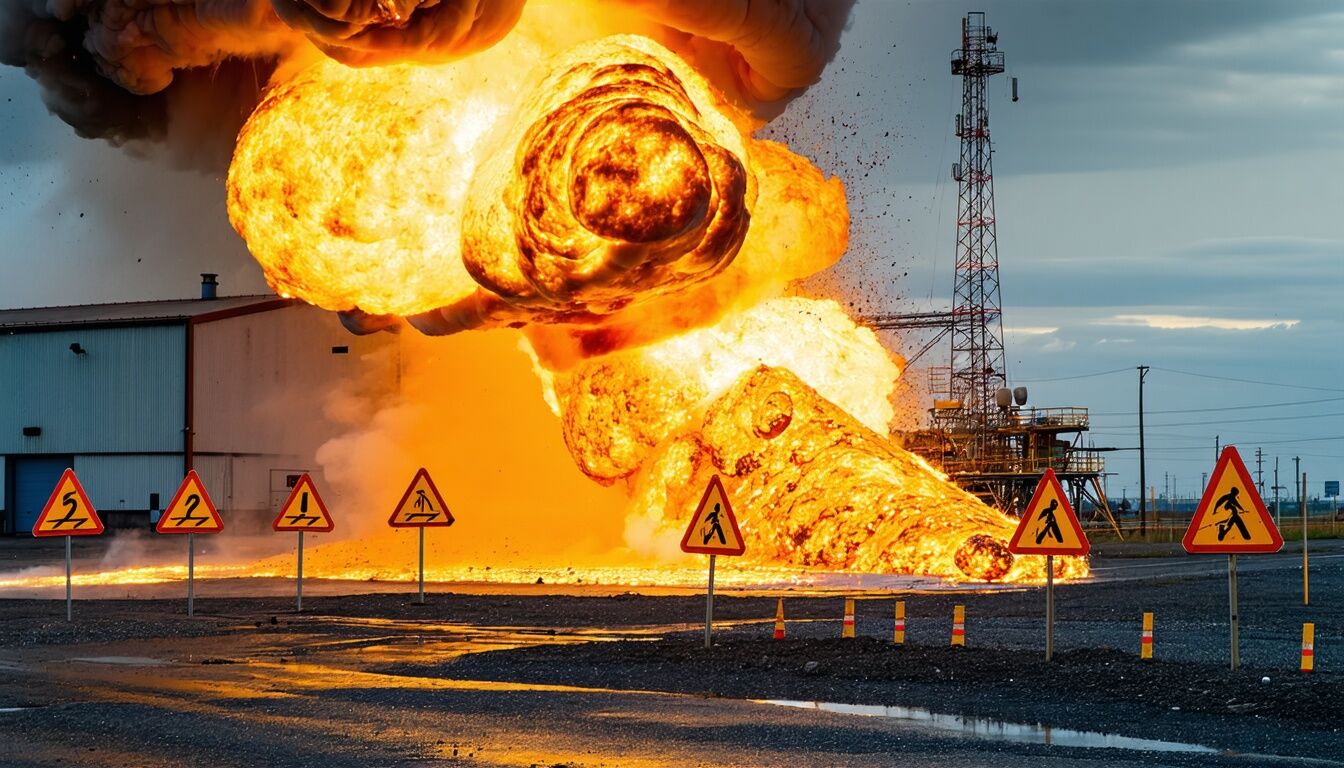
Zone 0: continuously present explosive atmosphere.
Zone 1: potentially explosive atmosphere during normal operations.
Zone 2: unlikely explosive atmosphere for short periods.
NF EN 60079 standards and best practices for precise zoning delimitation
The NF EN 60079 standards provide an essential methodological framework for accurately classifying ATEX zones. They provide best practices for zone delimitation, and information on the inspections required to verify compliance. Prior to any intervention, a specific analysis must certainly precede it, including procedures for recording and temporarily eliminating potential risks.
ATEX equipment marking and conformity: technical and regulatory requirements
Mandatory marking of ATEX equipment: deciphering the key terms
Equipment used in ATEX zones must bear a specific regulatory marking. This marking clearly identifies compliance with the ATEX directive, and provides information on aspects such as equipment group, category, nature of atmosphere (G for gas/vapor or D for dust), and temperature class. This information is crucial to ensure appropriate risk isolation and protection against explosive substances.
Element | Description |
|---|---|
CE logo | European compliance with essential requirements. |
Category Besoin d’un devis ?Produits de signalisations sonores et lumineuses, systèmes de mise à la terre, signalisation non ATEX, connections ATEX… | Indicates the level of protection required by zone. |
Gas/dust family | Groups IIA, IIB, IIC or IIIA, IIIB, IIIC. |
Ensuring safety: compliance with standards, EX signage and control of combustible dust deposits
In addition to well-established markings, equipment must also include preventive measures to avoid any deposit of combustible dust. This includes regular monitoring of dust accumulations, as well as clear signage with highly visible “EX” pictograms. These elements are fundamental pillars in guaranteeing flawless safety in high-risk environments.
The importance of professional support for appropriate ATEX classification
To avoid over-restrictive classifications that could have an economic impact on your business, we strongly advise you to seek specialist support for ATEX zoning. On-site analysis, consideration of operational factors and technical expertise will guarantee optimum safety monitoring. What’s more, this approach contributes directly to legal compliance with current directives, protecting employees and infrastructures against potential explosions.

The need for zone classification enables companies to remain in line with regulatory requirements, while maintaining safe working conditions that comply with current standards.
FAQ
What does the ATEX label mean in concrete terms for a company?
The ATEX label certifies that equipment meets the safety standards set by theEuropean Union. It ensures that the risks associated with explosive atmospheres in the workplace are properly managed and controlled.
What role do combustible dust deposits play in the assessment process?
Combustible dusts play a critical role, as they can easily create an explosion when suspended in the air. Rigorous control of accumulations is essential to any prevention strategy.
Why use a consultant for ATEX classification?
A consultant provides invaluable expertise, guaranteeing precise zoning that balances safety and cost, while ensuring compliance with legal obligations and avoiding unnecessary administrative tasks.