ATEX industrial environments are places where the presence of potentially explosive atmospheres is a risk factor. Safety is a key aspect of these environments, as the potential consequences of an explosion or fire can be catastrophic. This article will explore the important aspects of safety in ATEX industrial environments.
What is an ATEX environment?
The term “ATEX” is derived from the French expression “ATmosphères EXplosibles” and refers to environments where mixtures of flammable gases, vapors, dusts or fibers with air can occur and lead to explosion hazards. These environments can be found in various industrial sectors such as oil refineries, chemical plants, mines, grain silos and wastewater treatment plants.
Potential hazards in ATEX environments
The potential hazards present can be classified into three main categories:
- Explosions: The presence of flammable mixtures can lead to explosions that can cause serious injury or death, as well as significant property damage.
- Fires: Flammable mixtures can also lead to fires, which can spread rapidly and cause considerable damage.
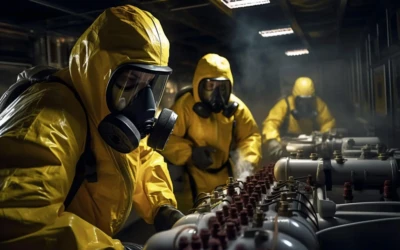
- Poisoning : In certain ATEX environments, the presence of toxic gases or vapors can pose a health risk to workers.
Legislation and safety standards
There is legislation and international standards for ATEX environments aimed at ensuring worker safety and reducing the risk of explosion or fire. Notably, the European Union’s ATEX Directive 2014/34/EU defines safety and risk prevention obligations for ATEX environments.
The fundamentals of safety in ATEX environments
To ensure safety in these areas, it is essential to observe the following basic principles:
- Zone classification: ATEX environments must be divided into zones according to the degree of explosion risk. This makes it possible to define the appropriate safety measures for each zone.
- Equipment design and selection: The equipment used must be designed and selected according to its compatibility with the safety requirements of the areas where it will be used.
- Worker training and information: Workers operating in environments of this type must receive specific training and detailed information on potential risks and the safety measures to be observed.
- Regular maintenance and inspection: Installations and equipment must be regularly maintained and inspected to ensure that they function properly and comply with safety standards.
- Risk management: Potential risks must be identified, assessed and proactively managed to prevent incidents and ensure worker safety.
The role of a security company in protecting sensitive areas
Specialist security companies, such as suppliers of fire alarms and video surveillance systems, play an essential role in protecting ATEX environments. Their expertise and technological solutions help to enhance safety and reduce risks in these sensitive areas.
- Early fire detection: Advanced fire alarms can quickly detect the presence of smoke or flames, alerting workers and security teams for fast, efficient evacuation.
- Continuous monitoring of ATEX zones: Video surveillance systems can be used to continuously monitor these zones, enabling potentially dangerous situations to be quickly identified and responded to in good time.
- Centralized management of security systems: Security companies often offer centralized management solutions that integrate and control various security systems, such as fire alarms, video surveillance and access control, for comprehensive, effective protection of ATEX environments.
In addition to their essential role in protecting sites, specialist security companies also offer a wide range of related services to meet the specific needs of their customers:
Training and awareness-raising: These professionals often offer training and awareness-raising workshops for work teams and safety managers. The aim is to reinforce knowledge of safety and risk prevention in ATEX zones, thereby creating a safety culture within companies.
Security audits and consultancy: Security experts can carry out security audits and provide recommendations for improving overall site protection.
Setting up emergency plans: In the event of an incident or accident in an ATEX zone, safety companies can help draw up emergency plans and crisis management procedures to limit the consequences and ensure a rapid, effective response.
By partnering with a specialist fire and alarm company, businesses operating in ATEX environments can enhance their safety and compliance with current standards and legislation, while protecting their staff and facilities.