The NFC15-100 standard and locations subject to BE3 conditions are essential references for guaranteeing fire and explosion safety. These standards provide valuable guidelines for selecting equipment and implementing preventive measures. So take the time to familiarize yourself with these rules, so you can apply them more effectively.
Which areas are subject to BE3 conditions?
Locations subject to BE3 conditions are areas where the risk of fire is higher due to the presence of flammable materials or sensitive electrical equipment. These areas require special attention when designing, installing and maintaining electrical installations. Standard NFC 15-100 defines three types of location subject to BE3 conditions:
- BE3.1: Locations with easily flammable materials such as textiles, paper or wood.
- BE3.2: Locations where electrical equipment is likely to cause a fire, such as transformers, electric motors or heating equipment.
- BE3.3: Locations where electrical equipment may come into contact with flammable materials, such as lamps, sockets or switches.
To identify areas subject to BE3 conditions, you need to carry out a thorough analysis of your electrical installation and the materials present in the premises. This analysis must take into account the nature of the materials, their proximity to electrical equipment and the associated fire risks.
Once identified, you need to implement appropriate protective measures. These may include the installation of automatic fire detection and extinguishing devices, ventilation systems or the use of fireproof materials. The NFC 15-100 standard provides detailed recommendations on the protective measures to be adopted for each type of location. To make things easier, you can call on a professional to guide you in this area.
What are the requirements of the NFC15-100 standard?
The NFC15-100 standard defines the rules for installing electrical equipment in France. It is regularly updated to keep pace with technological developments and new safety requirements.
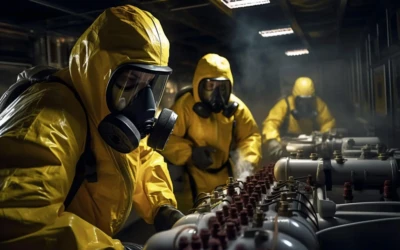
In locations classified BE3 (where an explosive atmosphere may be present), only those installations required for the operation of these locations should be present. Equipment which is not essential in these BE3 locations should preferably be installed in non-hazardous locations. If this is not possible, they should be placed in the least hazardous area possible.
Explosion hazard zones are classified according to the nature of the explosive atmospheres present. In the case of gaseous atmospheres, zones are defined as follows:
- Zone 0 represents a permanently explosive atmosphere
- Zone 1 indicates an explosive atmosphere that may occasionally form
- Zone 2 corresponds to an explosive atmosphere that may rarely occur.
It is imperative to choose equipment that complies with specific standards for these zones, to minimize the risk of explosion.
Explosive atmospheres containing combustible dust are also taken into account. They are classified in Zones 20, 21 and 22, depending on the probability of such atmospheres occurring. Standard NF EN 50281-1-1 governs the use of equipment in these zones, guaranteeing its compliance with safety requirements.
How to apply electrical safety standards ?
What is the operator’s role ?
Operators play a crucial role in managing locations subject to BE3 conditions. They are responsible for defining zones according to the frequency and duration of the presence of an explosive atmosphere. They are also responsible for updating explosion protection documents, and for selecting equipment in accordance with the categories defined in Directive 1999/92/EC.
To ensure safety in BE3 locations, various measures must be taken:
- Limit installations to the strict needs of the operation.
- Choose materials that comply with specific protection standards.
- Comply with reference standards and equipment installation zones. Standard NF EN 50281-1-2 must be followed when installing equipment in the presence of combustible dust.
What are the requirements for electrical equipment electrical equipment?
Requirements for electrical equipment are also essential to ensure safety. These include the degree of protection of enclosures in the presence of non-combustible or combustible dusts, and the reduction of permissible current values in conductors to avoid the risk of ignition.
Special care must be taken with cables and conduits. They must be selected with due regard to external influences such as mechanical shock, corrosive substances and the effects of heat. It is also essential to protect cables against flame propagation and to ensure that they do not spread fire. In addition, gutters, ducts and wall penetrations must be properly sealed to prevent the propagation of explosive atmospheres.
Would you like to find out more about electrical safety products? ADF Systèmes makes it a point of honor to help you choose the products and solutions best suited to your industrial safety and risk management needs. Let’s talk about it!